Changing My Mind: Occasional Essays
— Yael van der Wouden
So when I like something, I like it on repeat. I mean this in the broadest sense possible: with books, yes, but also movies, foods, music—which is how I once ended up in the library with a Lana Del Rey song playing on a loop over my headphones. It took about twenty minutes for someone to come over and tell me that my audio jack hadn’t been plugged in proper—and could I please turn off the sound, thank you.
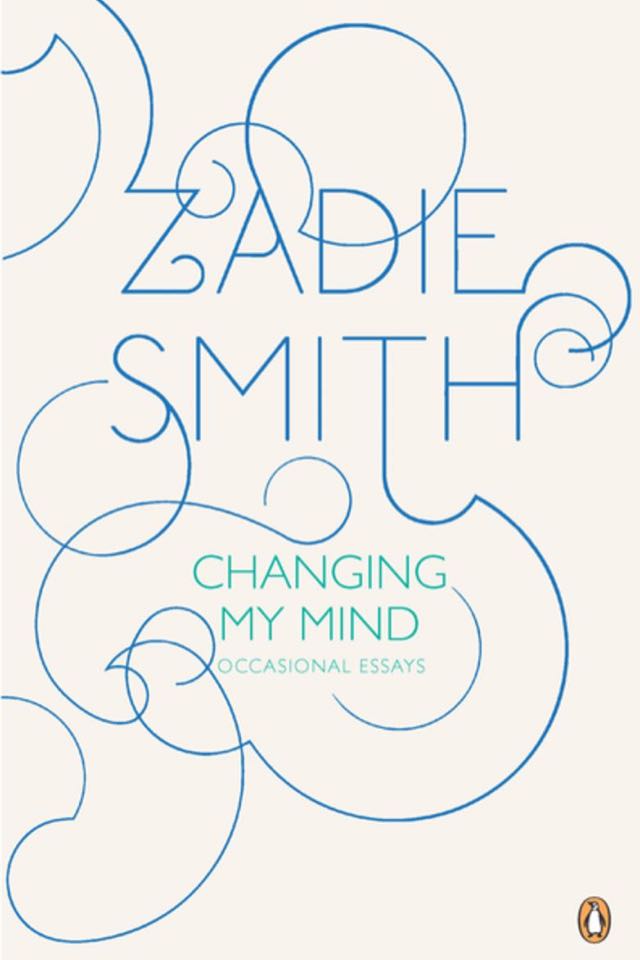
Zadie Smith’s Changing My Mind: Occasional Essays is one of my trustiest regular rereads. Most times I revisit different essays for different days, different moods; other times, if I really need comfort, it’s one of two: ‘E. M. Forster, Middle Manager’, and ‘That Crafty Feeling’. It’s this pair of essays in particular that do what the entire collection does—speak with you, the reader, argue with you and drunkenly babble with you—only at double the wattage, double the power.
There is something about the way Smith writes about other writers—whether she’s a fan or not—that I can only call wry yet fond. Reflecting on Forster’s anxieties, she talks of how he surrounded himself with characters who themselves were the [kind of] people who would think twice before borrowing a Forster novel from the library.
When writing about Forster’s radio stints, Smith describes him as something of a nervous party host
who fears that people won’t speak to each other unless he’s there to facilitate introduction.
The exasperated affection in her tone is infectious, peaking when she pokes fun at his radio habit of diligently reading out the title of the books
after each episode, along with their exact price in pounds and shillings.
Reading Smith reading Forster is like witnessing two people at a party—obviously dear friends—refer to one another as, ‘oh yeah, that idiot,’ then go teary-eyed into their glass of wine.
That potent mix of kindness and deprecation is just as liberally applied when Smith reflects on her own work. In ‘That Crafty Feeling’, an essay describing ten stages of writing a novel, Smith talks about recognising fellow micromanaging writers: that opening pile-up of too-careful, obsessively worried-over sentences,
a block of stilted verbiage that only loosens and relaxes after the twenty-page mark.
And yet, a few sentences following this side-eyed self-criticism, she’s defiantly kind to herself (and all writers, really) in describing the process of finishing a novel—producing this darling and relatable gem of an image: Smith, having just penned the last words, drinking wine from a bottle while standing in her back yard—then lying down on the paving stones and [staying] there for a long time, crying.
It was sunny, late autumn, and there were apples everywhere, overripe and stinky.
Some might see Changing My Mind come by and dismiss it for falling too much in the writer-writing-for-writers camp. This, I would say, fully biased as I am, would be a mistake. Each essay in this collection is a seat at Smith’s dinner table; its musings, ingenious nuggets, awful jokes and truly brilliant pieces of advice that will stay with you for days, weeks. From questioning the power of the author (‘Rereading Barthes and Nabakov’), to what knowledge means when it comes solely from experience (‘Middlemarch and Everybody’), to the implied whiteness of the ‘neutral’ writer (‘Their Eyes Were Watching God: What Does Soulful Mean?’)—Smith introduces topics with the same hand as she delves deep into their history, comfortable in the knowledge that you’re keeping up. And to your surprise—you always do.